
Cost savings of approximately ¥170,000 per month with SocialDog! How a web media utilizes Twitter (now X)
Twitter (now X) is used for marketing by companies and services for various purposes, such as increasing brand awareness and growing fan bases.
AINOW, a specialized web media for AI and artificial intelligence that we interviewed, also uses SocialDog to research information that readers are looking for on Twitter.
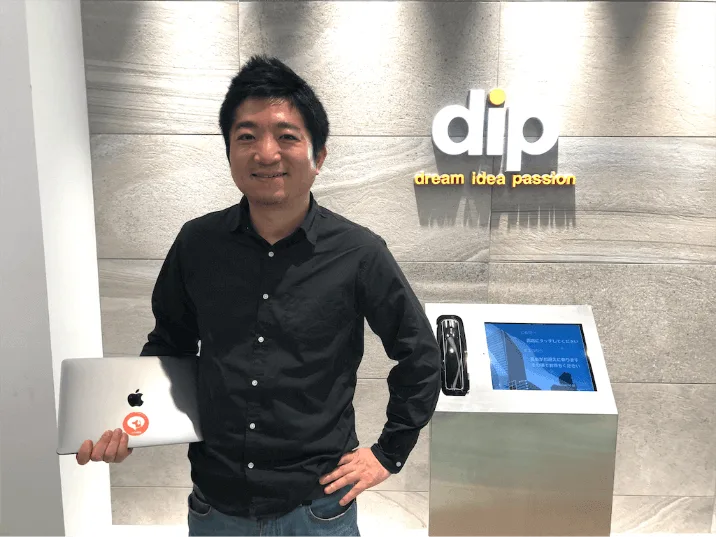
This time, we interviewed Kei Shindo, Head of the Next Generation Business Preparation Office / dip AI.Lab at dip Corporation, which operates 'AINOW'. We asked about how web media utilizes Twitter.
The purpose of using Twitter is to research information that readers are looking for
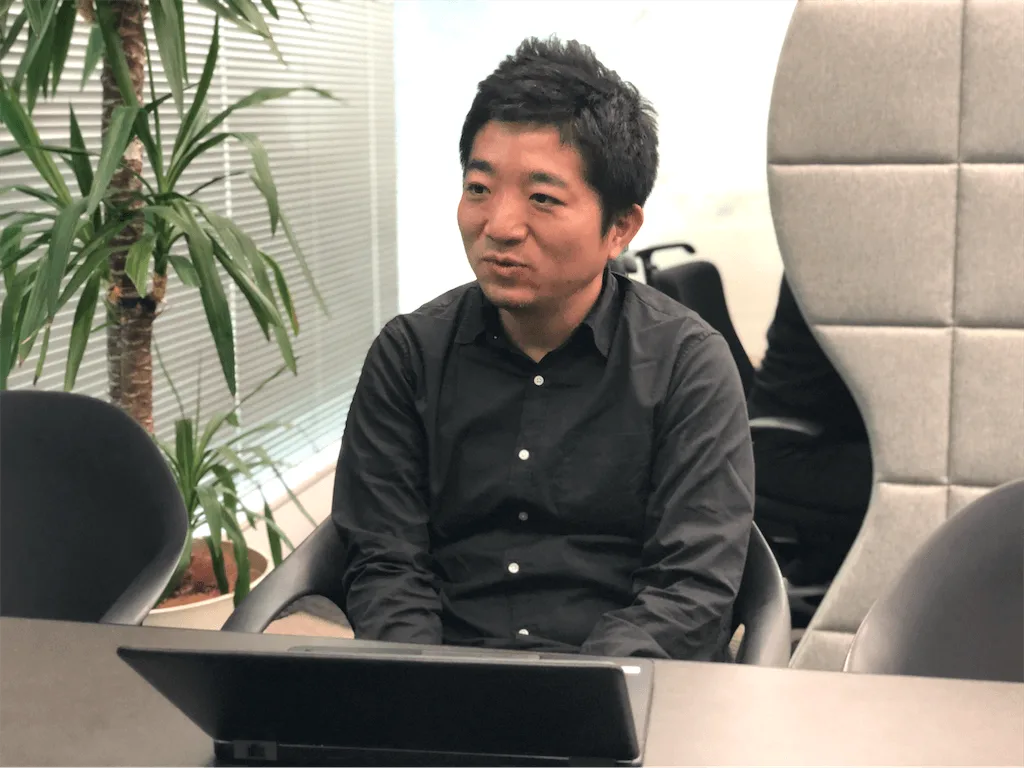
—First, what kind of service is 'AINOW'?
It is a specialized web media that publishes news related to AI and artificial intelligence. We provide various information such as news, interviews, event reports, and columns. We are viewed by a wide range of people, from engineers to business professionals and students.
—What kind of team structure do you have for operations?
It is operated by the 'AINOW' editorial department, which consists of one employee and seven interns. They write news, conduct interviews, and analyze articles. They operate daily, exploring 'what information readers are looking for'.
As the head of new business development, I manage the entire media operation, including 'AINOW''s Twitter management.
—What kind of team structure do you have for Twitter operations?
The editorial staff member is primarily in charge. We have a meeting once a week to decide what tweets (now posts) to make for the following week. The tweets mainly consist of articles published on 'AINOW'.
—What was the purpose of starting Twitter?
The purpose is to research information that readers are looking for and to determine editorial policy. It's positioned as marketing research for marketing. We started Twitter in May 2016 and have been researching 'what themes are in demand' and 'what angles resonate with readers'.
We post articles from a wide range of genres on Twitter, such as 'breaking news articles,' 'exclusive information,' 'how-to articles,' and 'columns expressing personal opinions,' and we monitor engagement.
—Engagement can be measured by various criteria. What points do you look at?
The points we emphasize differ by genre.
We prioritize comment counts for articles like columns that express views or opinions, which tend to generate debate. We prioritize retweets (now reposts) for breaking news articles that people want to share. We prioritize likes for idea articles and summary articles that people intend to read carefully later.
By assessing the effectiveness from these engagements, we determine the direction of articles, for example, by deciding to 'delve deeper into this theme that performed well next'.
Approach potential audiences using SocialDog!

—Please tell us what prompted you to start using SocialDog.
The trigger was wanting to implement measures to efficiently increase followers using a Twitter management tool. We believed that having more followers would be beneficial for discovering articles that resonate with readers.
Therefore, we wanted to implement a strategy to approach people who post using keywords highly relevant to 'AINOW,' such as 'artificial intelligence.' However, doing this manually would be very labor-intensive, so we couldn't easily implement follower growth strategies.
While searching the internet for 'convenient tools that can improve efficiency,' I learned about SocialDog. I researched and used several tools, but ultimately, we are using SocialDog.
—Why did you choose SocialDog?
Because it offered the best cost performance among the tools we tried. Some tools with the same features as SocialDog could cost around ¥50,000 to ¥100,000 per month.
However, with SocialDog, you can start from $0 and you can choose a plan that fits your phase. Currently, my department manages three accounts on paid plans, and the cost performance is excellent.
Since we are a growing media with a limited budget, we are grateful to be able to use advanced features at a low cost.
—Which SocialDog features do you utilize?
The features we value are "Keyword Monitor" and "Inbox," which allow us to approach accounts that post about specified keywords. We implement strategies to increase 'AINOW' followers by engaging with accounts that tweet about AI-related topics. The idea is to approach potential audiences who are likely interested in the information 'AINOW' provides.
—They're increasing quite rapidly. Have there been any changes in your operational methods since implementing SocialDog?
Yes, there have been changes. Previously, the employee in charge of Twitter would independently analyze tweets and devise strategies. Since no reports were generated, members weren't effectively sharing the Twitter situation with each other.
However, now, by looking at the dashboard graphs, members can review and reflect together. We can share our opinions while looking at the results.
—It's a good environment to share opinions. Is there anything else?
Additionally, we use "Tweet Manager" for scheduled posts to register a week's worth of tweets all at once. Since we can complete the work in a single day, we've become more efficient in our tasks.
Effective Twitter management by using it in a way that suits each media's purpose
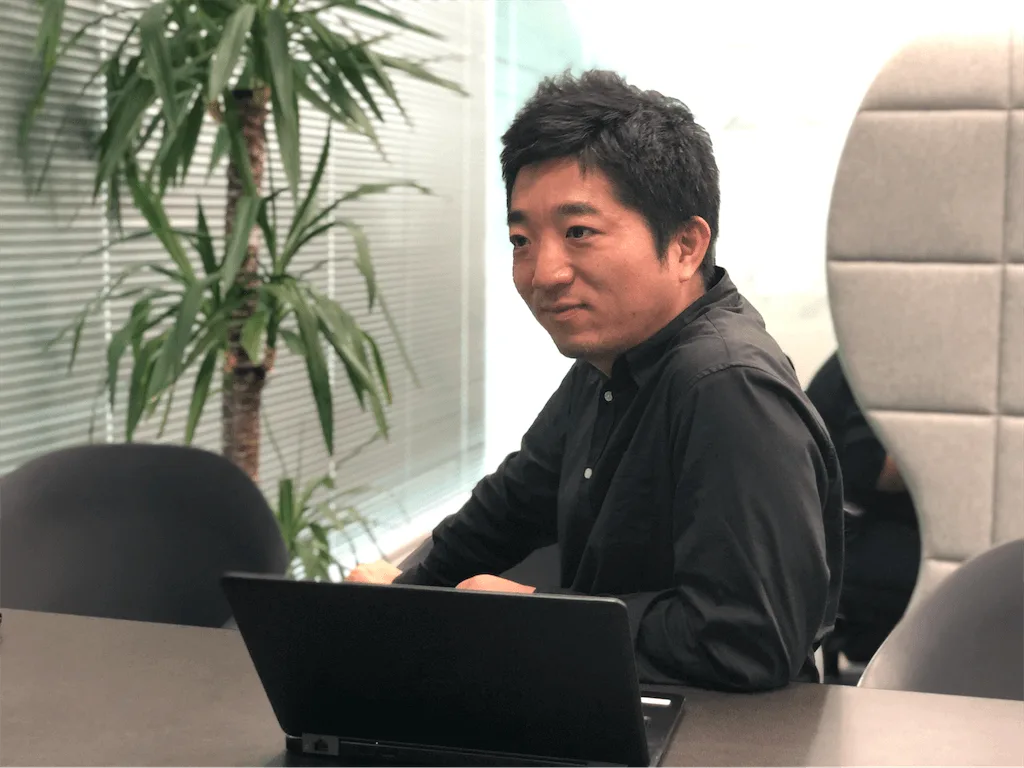
—Please tell us if you've experienced any benefits from using SocialDog.
The biggest benefit was the cost reduction achieved by improving operational efficiency. Previously, we spent 2-3 hours a day, but now it's reduced to 2-3 hours a week.
Considering an hourly wage of ¥3,000 for the person in charge, ¥3,000 x 15 hours (per week) equals ¥45,000. This means we were spending about ¥200,000 per month on Twitter. However, since implementing the tool, we've kept it down to about ¥35,000 per month.
By reducing the man-hours, we can now dedicate more time to other marketing initiatives, such as exploring user interests and creating articles.
──Mr. Shindo, what strategy do you think media outlets should adopt when operating on Twitter?
I believe the strategy should differ depending on the media's size and phase. For mass media with many followers or accounts with ample advertising budgets, posting articles to increase website traffic might be effective. However, for niche media like 'AINOW,' I think it's more effective to use it for marketing research purposes.
Trying to use it in ways that don't fit each phase or attempting to achieve unrealistic goals will only increase unnecessary man-hours. For example, if a small media outlet tries hard to manage its account to increase tweet impressions to drive website traffic, it won't be very effective.
If you use it in a way that aligns with your objectives and goals, I believe it's a tool that can deliver results efficiently.
──Finally, please tell us about your future prospects.
Originally, we operated Twitter to discover what articles readers wanted, so once our follower count grows, we'd like to conduct surveys. Currently, we can only gather reactions to articles on Twitter.
We plan to use Twitter's poll feature to ask, 'What kind of articles would you like to see?' and cross-reference the answers with our past analyses.

'AINOW' analyzes follower reactions to tweets and researches the articles readers want.
If you operate a media outlet and are struggling with stagnant numbers or don't know what kind of articles your readers want, why not try the methods Mr. Shindo discussed?
SocialDog can be started for free, so feel free to sign up.