Gaining Fans with 'Local x Hobby' Posts: How SocialDog Streamlines X (formerly Twitter) Operations
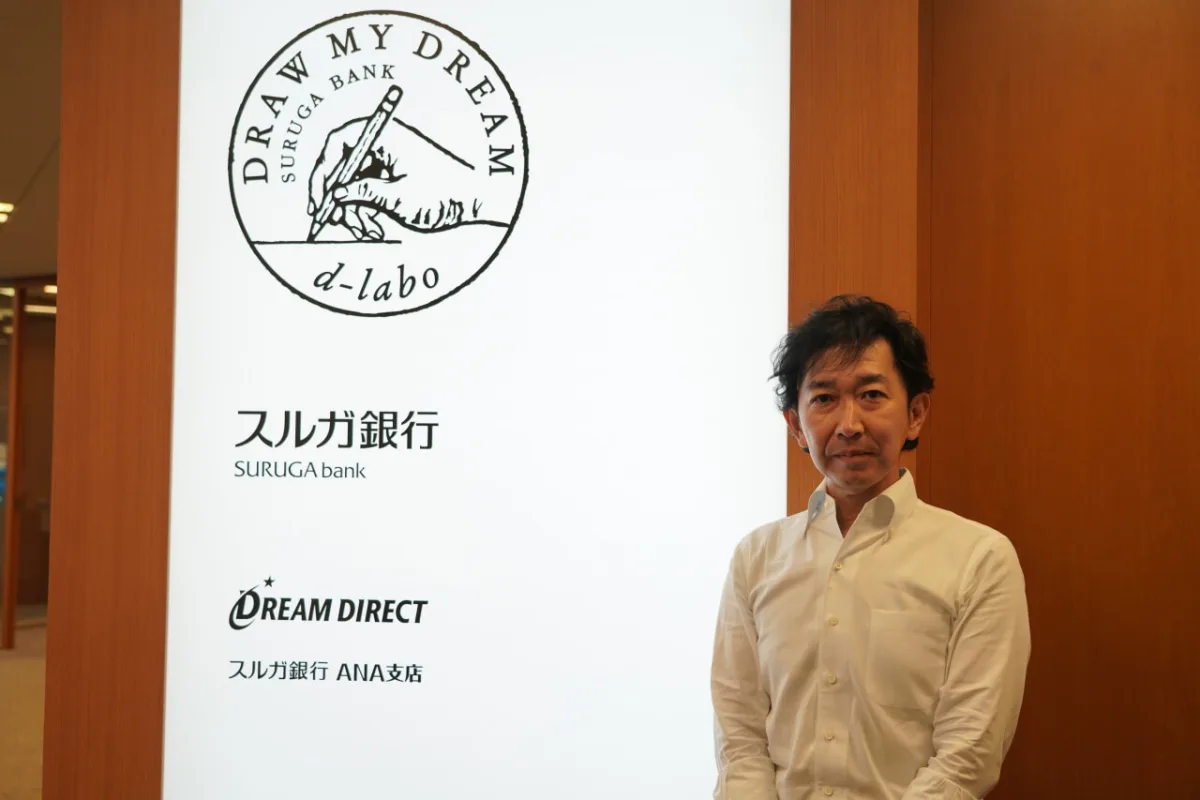
Suruga Bank is engaged in initiatives to revitalize local communities through cycle tourism. As part of their PR efforts, they utilize Twitter (now X). It began with the development of loans for bicycle purchasers and gradually evolved into larger initiatives related to cycling. We spoke with Mr. Fukada, who is in charge of CSR activities such as regional PR through cycling, about the combination of 'cycling x regional revitalization' initiatives—which might seem far removed from banking—and Twitter.
Started Using Twitter to Share the Company's Passion for Cycling. What Are the Strategies to Increase Likes?
—First of all, why did you decide to start using Twitter?
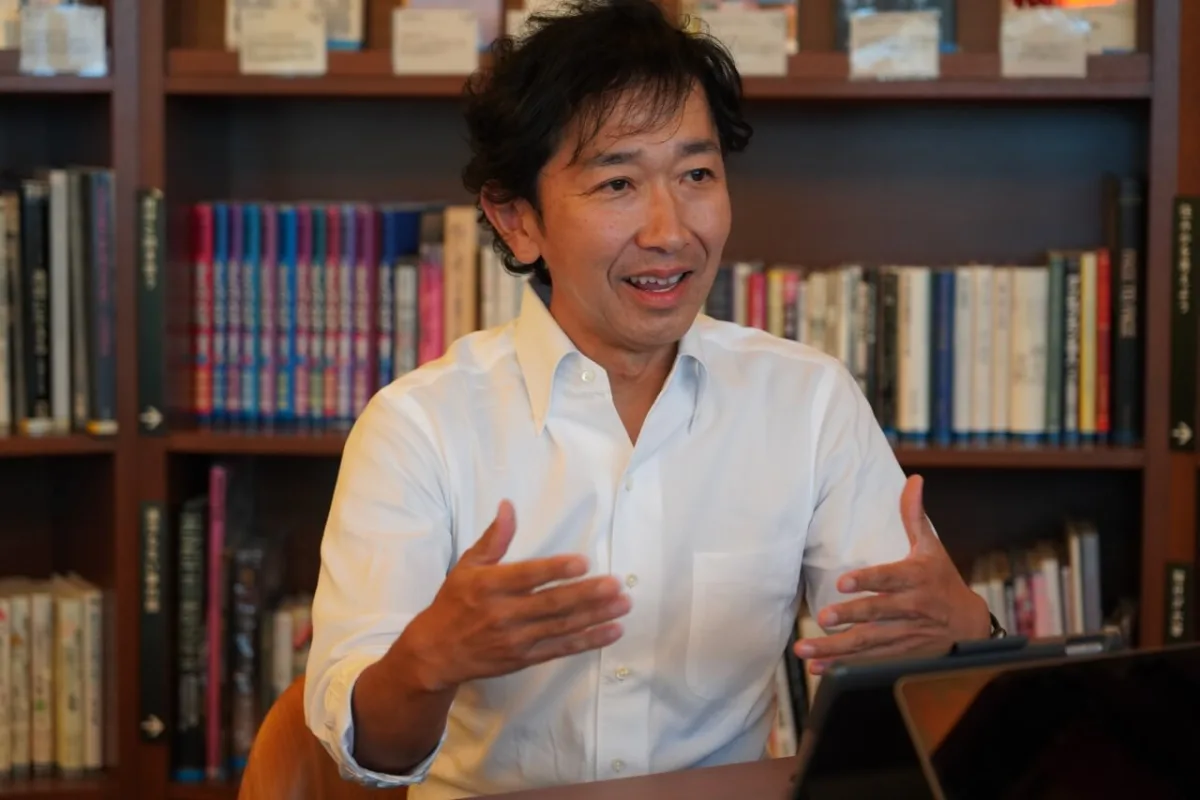
I was originally in the loan department, and at one point, we created a loan specifically for purchasing bicycles. Bicycles were becoming quite expensive, with some high-end models costing around ¥1,500,000, so we thought it would be beneficial to offer loans for their purchase. When we launched this loan, we received some backlash from cyclists. I already had a habit of 'ego-searching' on Twitter when we released new loan products, which helped me notice this feedback.
Many voices expressed that they didn't want finance brought into the world of hobbies, and there was a general sentiment like, 'The people who created this loan probably don't even ride bikes, do they?' In reality, I did ride a bicycle, so I felt it was necessary to help people understand this. I proposed internally, 'We're facing this misunderstanding, so why don't we use Twitter to share information?' and that's how we started.
As we continued to share information, we gradually gained recognition from cyclists, and the company established 'Cycle Stations' co-located with our branches in places like Gotemba and Yugawara. There, we organized cycling events with local cyclists, deepening our engagement with the community.
Amidst this, the Olympic cycling events were scheduled to come to Shizuoka Prefecture, leading local governments in Shizuoka to feel, 'We must promote cycle tourism!' They became interested in our initiatives and reached out to us. We then began collaborating on projects, further strengthening our cycling-related efforts.
—You also mentioned using Facebook. How do you differentiate its use from Twitter?
Facebook has a stronger 'community' element; it's a somewhat limited group where we engage in deep, closed communication. Twitter, on the other hand, is more about broader, shallower communication compared to Facebook.
—Are there any specific metrics or goals you track for your Twitter operations?
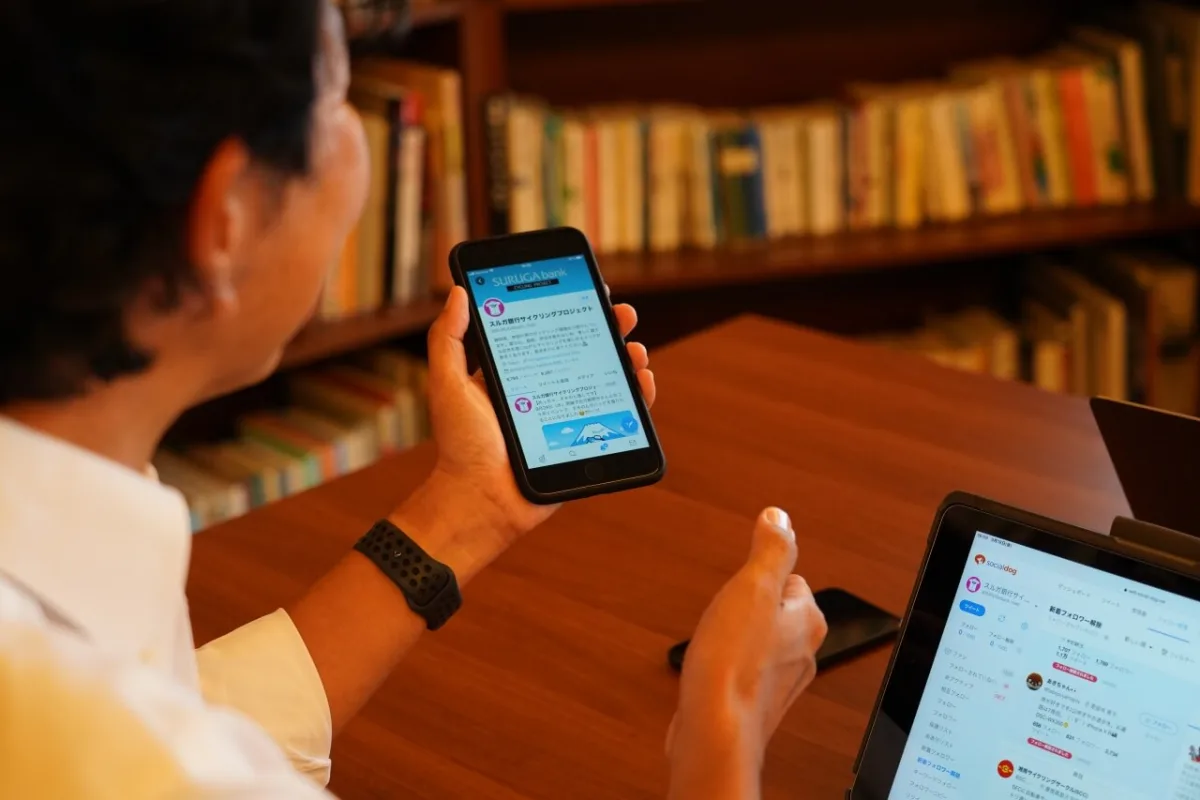
We consciously manage our operations with the number of likes in mind. While our ideal account aims to deepen engagement with followers, I believe our current account is still a bit stiff, lacking approachability. Therefore, we plan to first increase the number of tweets (now posts) that receive likes, and while observing who is liking them, we aim to create tweets that resonate with those individuals.
—You mentioned paying attention to the number of likes. What kind of tweets tend to get likes?
Since it's a cycling-related account, photos of scenic views during rides get the best reactions. Food pictures are also good, but landscapes definitely get a better response.
At one point, we also tweeted about local characters, such as 'Susonon' from Susono City.
We are always looking for new content ideas.
—What kind of operational structure do you have for managing it?
We primarily operate with a two-person system: I handle responses to sudden events and tweets, while the other person plans and posts content systematically. If we were to post during our business hours, it wouldn't be at the optimal time for visibility. So, we use scheduled posts to publish content at times when we are more likely to gain likes and other engagement.
SocialDog Adopted for Scheduled Posts with Images, Also Used for Analytics and Presentation Material Creation for Local Governments!

──Why did you decide to adopt SocialDog?
The main reason was our strong desire to use scheduled posts. At the time, the ability to schedule posts with images was incredibly valuable, and we made an immediate decision. We had been using another tool, but it didn't support images, so the ability to schedule posts with images was groundbreaking. While official Twitter now offers scheduled posts, SocialDog's scheduling features, such as the ability to schedule threads, are very user-friendly, which is why we highly value it.
—How do you utilize SocialDog?
Every day, we pay close attention to who is following us. What we care about most is who is unfollowing us. By checking when and by whom we are unfollowed, we cycle through the PDCA (Plan-Do-Check-Act) process to improve our daily tweets.
Also, it's convenient that we can use screenshots of the analytics screen for internal operation reports. We also use Keyword Monitor, registering our company name to streamline ego-searching. We meticulously monitor how we are perceived by the public. Originally, we performed ego-searches manually, which was very time-consuming. I believe Keyword Monitor has significantly reduced our workload.
We also handle new follows and unfollows on SocialDog. By registering multiple keywords and extracting accounts that tweet those words to follow them, I believe our efficiency has greatly improved.
—What effects have you seen since implementing SocialDog?
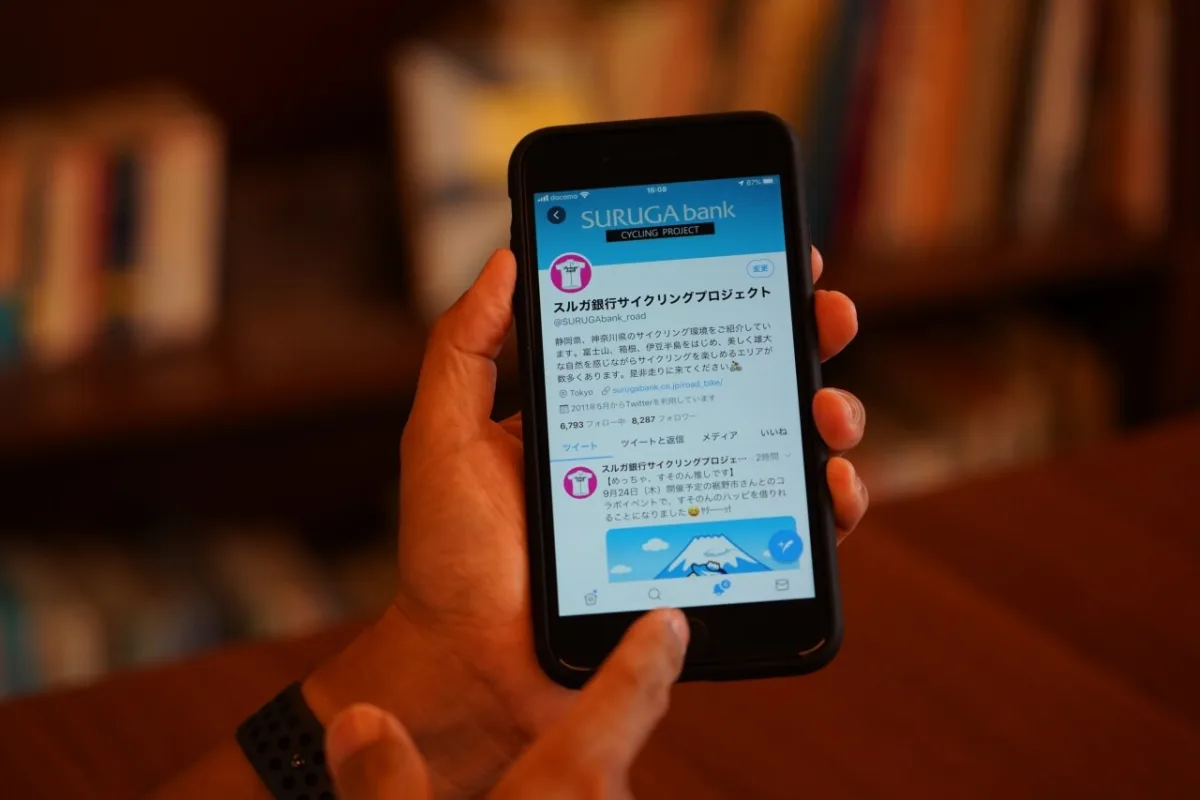
I believe that using the tool has stabilized our operations and freed up time to focus on various new initiatives.
Efficiency allows us to sustain one initiative, which then leads to the next, so that's also a significant benefit.
── What kind of operations and initiatives do you implement using Twitter?
Previously, we ran 'follow & retweet' (now repost) campaigns, but we often ended up with followers primarily interested in prizes, who would then unfollow us after a while. Therefore, even if it's a steady effort, I believe it's crucial to gain followers who are genuinely interested in cycling or are from related local communities.
In that regard, for example, when we collaborate on an event with Hiratsuka City, we tend to tweet the word 'Hiratsuka' frequently. This leads to likes from influencers associated with Hiratsuka, which in turn results in many new followers. Because of this, we tend to post content focused on specific target areas. If we were to stick only to cycling-related posts, our content would become too narrow, so we try to post a wide range of topics.
—What kind of initiatives do you plan to implement in the future?
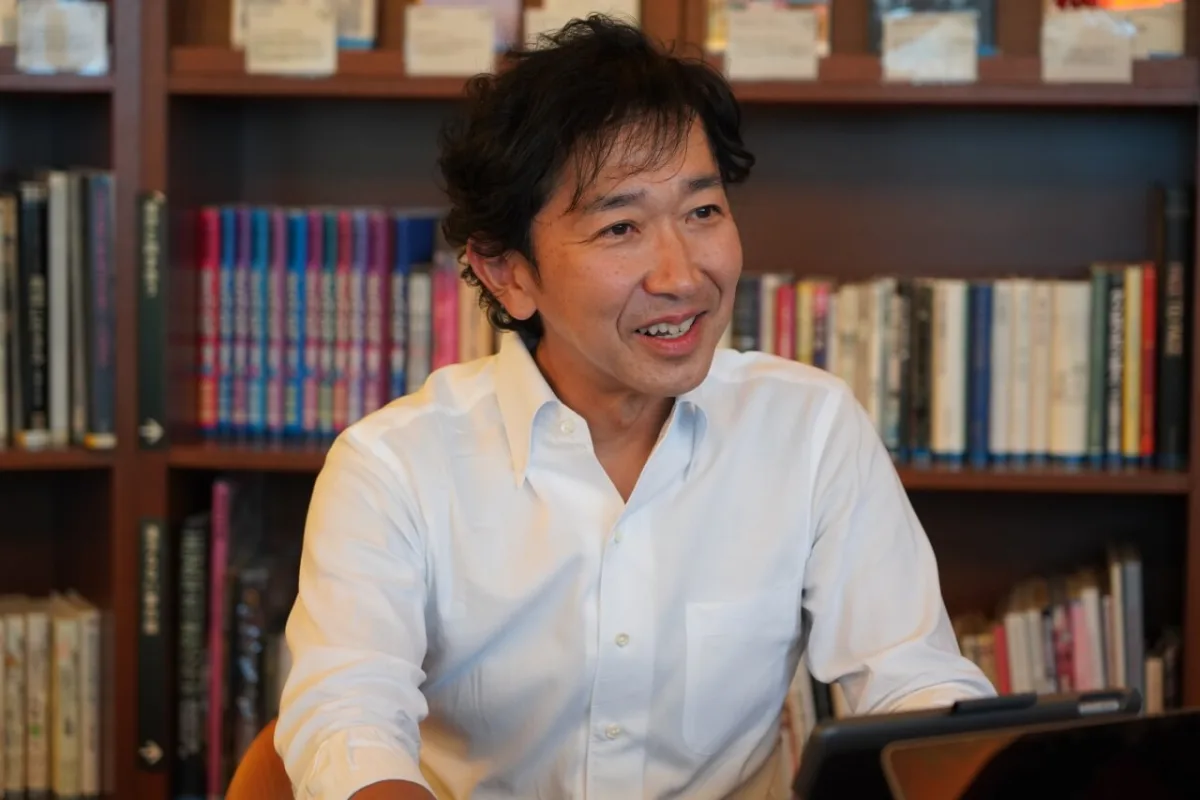
On Facebook, we can hold events exclusive to group members, but we'd like to foster more two-way communication on Twitter as well, and by hosting events that users can participate in, we aim to build closer relationships.
Suruga Bank, which engages in 'cycling x regional revitalization' initiatives that are hard to imagine for a typical bank, has streamlined and stabilized its operations by utilizing SocialDog. Through appropriate analysis and operation, they are maximizing the value they can offer to various local governments. As demonstrated, SocialDog is equipped with numerous features to streamline and optimize Twitter operations. We encourage you to use it to accelerate your Twitter operations towards desired results.