Clearly Define the Value You Want to Provide and Run PDCA Cycles at High Speed! The Secrets to X (formerly Twitter) Operations That Lead to Business Results

Many people want to use X (formerly Twitter) to achieve business results, but often find themselves unable to produce results or only achieving partial success. Do you face similar challenges? Unistyle, whom we interviewed this time, operates a job-hunting support site for students, connecting member students with companies and sending them to company information sessions, thereby supporting companies in building their talent pools. By thoroughly engaging with Twitter, they are generating business results through their Twitter operations. We interviewed Mr. Koriyama, the Marketing Manager primarily responsible for content and social media marketing, about Unistyle's marketing strategies using Twitter.
Operating Twitter to increase traffic to their own services. Committed to rapid PDCA cycles.
What are the objectives of your Twitter operations?
SEO accounts for the majority (over 70%) of traffic to Unistyle. This means we are heavily reliant on Google for customer acquisition, and we are concerned about external environmental changes, such as search algorithm updates. Therefore, when we considered diversifying our traffic sources as much as possible, we began to focus on increasing traffic from Twitter.
Beyond SEO, our main channels are Twitter, branded searches, direct traffic, and real-world referrals from affiliates and student organizations. Besides Twitter, we also have Facebook and LINE Open Chat for social media, but we don't focus much on Facebook as students tend not to use it.
Our primary use for Twitter is to increase brand awareness. By increasing visibility on timelines, we aim to make more job-seeking students think, 'Unistyle is great!' We make efforts to be memorable, such as frequently using the word 'Unistyle' and having all our Unistyle team accounts use blue backgrounds for their icons.
LINE Open Chat is a closed community, so we position it as a platform to further enhance engagement with job-seeking students.
──What kind of operational structure do you have?
We have an official account and individual team member accounts. It's operated by two interns and two part-time staff. We hold weekly meetings to check progress and move forward. Initially, I meticulously checked every tweet (now post), but now we have an operational system in place that doesn't require such detailed checks.
How do you improve your operations?
We are very particular about running PDCA cycles for each individual tweet. We manage post content in a spreadsheet, noting 'when it was tweeted,' 'what content was tweeted,' and 'what category the tweet belongs to,' among other details. Additionally, one day after posting, we collect and compile results such as 'click-through rate,' 'number of clicks,' and 'impressions' to analyze the effectiveness of each post. This process helps us standardize the best seasons, times, and content for posting.
SocialDog Introduced to Streamline Twitter Operations, Leading to Increased Social Sessions

──Why did you decide to adopt SocialDog?
We had multiple Twitter accounts to manage, and keeping track of follower counts was a significant challenge. Additionally, we wanted to follow students tweeting about 'job hunting,' and while looking for ways to streamline our operations, we discovered and implemented SocialDog.
Since implementing SocialDog, social sessions to Unistyle have been steadily increasing.
I believe a major achievement is the steadily increasing traffic from Twitter to Unistyle. As a result of implementing SocialDog and streamlining operations, social sessions have increased. While SEO accounts for the most traffic, direct and social traffic are now performing comparably, so I believe we are generating a significant business impact. It's crucial to always be aware of whether our efforts are leading to business results, so we don't operate casually but rather run rapid PDCA cycles diligently.
From the perspective of the process leading to these results, a significant change is the efficiency gained by effectively utilizing Keyword Monitor, which previously took a lot of time for follow/unfollow tasks. It notifies us of posts tweeting about keywords we want to target, which has streamlined our operations.
Additionally, we use follower management daily. It allows us to easily extract 'accounts we follow but haven't followed back' and 'inactive accounts (defined as users who haven't tweeted in over 30 days),' which helps us with unfollowing tasks.
Implementing Strategies Based on Meticulous Planning! Unistyle's Winning Strategy in the Job-Hunting Market
── What kind of operations and initiatives do you implement using Twitter?
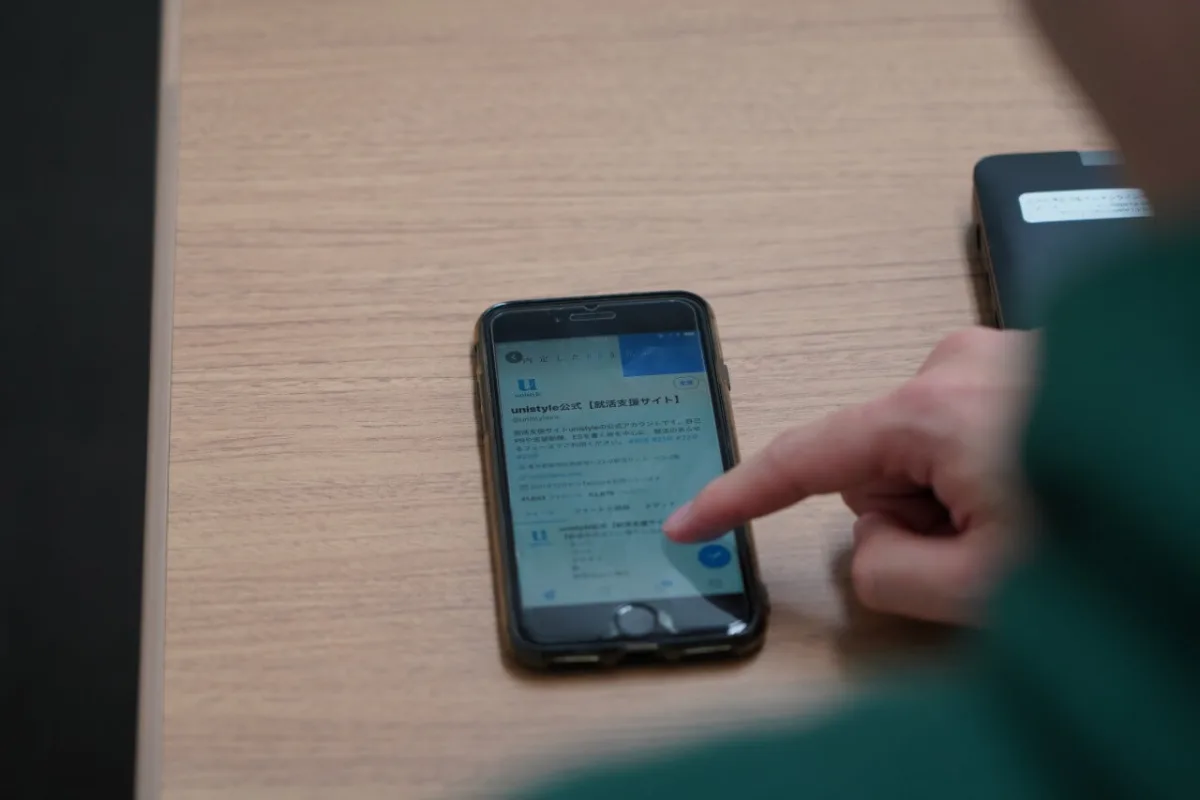
Regarding Twitter, we believe it's about 'quantity x quality.' When we first started strengthening our operations, we decided to 'first ensure quantity.' At the same time, we are particular about clearly defining 'who we want to provide what value to,' rather than just focusing on numbers.
Recently, we've been able to define two types of tweets: 'tweets to increase followers' and 'tweets to increase sessions,' and we plan our tweets accordingly for each.
Based on that, our speed-focused strategy was successful. On March 1st, job-seeking students collectively begin their activities, and companies also start accepting applications. In line with this, we implemented a strategy to deliver a compiled breaking news report at the start of the job-hunting season. Specifically, about a week beforehand, we posted on Twitter: 'Starting March 1st at midnight, we will deliver the fastest compiled selection information for major companies you're interested in.' This announcement post gathered a significant number of likes, and when we actually delivered the information on March 1st, it was widely shared. As a result, we were able to dramatically increase our follower count and impressions.
From the students' perspective, I felt that constantly visiting each company's website to check application deadlines was cumbersome, based on what I saw on Twitter timelines. From that insight, we started publishing an article titled 'Summary of Major Companies with ES Deadlines This Month' at the beginning of each month, which received positive feedback. Analyzing these events, we hypothesized that 'delivering the fastest information' on March 1st, when the most job-seeking students are active, would be a winning pattern, and it proved to be successful when implemented.
Also, while it's a classic, I believe our follow & retweet (now repost) campaign was a successful initiative. One thing job-seeking students need to do for their job search is prepare for the 'SPI' (Synthetic Personality Inventory). Our campaign to give away SPI preparation books to students who followed and retweeted received a great response, and I believe we gained nearly 300 followers in a single day.
To further spread our initiatives, we ensure that accounts in the job-hunting community mutually follow each other and consciously retweet each other's content regularly. When launching a new initiative, we also make efforts to send direct messages beforehand to coordinate and encourage wider dissemination.
Gathering Content Ideas, Often a Challenge, from 'Job-Seeking Students' Tweets' and 'Real Voices'

Since our service focuses on 'job hunting,' we can plan our schedule on a yearly basis. We have accumulated expertise on what needs arise at different times of the year, and we post appropriate content accordingly. For example, March is when job hunting officially begins and entry sheets are submitted, so we would tweet content related to entry sheets.
Additionally, we check posts from our job-seeking student followers to understand their current concerns and tailor our tweet content accordingly. When gathering information, we also conduct what is known as social listening using SocialDog's Keyword Monitor.
We also consider post content based on real-world interactions. Since our interns are currently job-seeking students, we conduct interviews with them. With about 25 interns in total, we gather their challenges and anxieties and incorporate them into our post content.
Have there been any unsuccessful initiatives?
Honestly, I haven't felt that any particular initiative completely failed. However, there have been individual tweets that didn't perform well. For example, when aiming for retweets and likes, we learned that posts without images tend to get poor engagement. Posting an article when aiming for retweets doesn't work. That said, since we want to maximize traffic to articles, I believe we should clearly separate tweets based on their objectives. We realized that we should differentiate between tweets aimed at getting retweets and those aimed at driving article sessions.
Expanding the Target and Taking on New Challenges in the Future
For Twitter operations, the official account will continue its current activities, while my personal account will gradually shift its target audience. Currently, I have over 10,000 followers, but most are job-seeking students. Therefore, I want to implement initiatives that encourage HR professionals from companies to follow me. As an 'insider' account, I aim to operate with a focus on approachability.
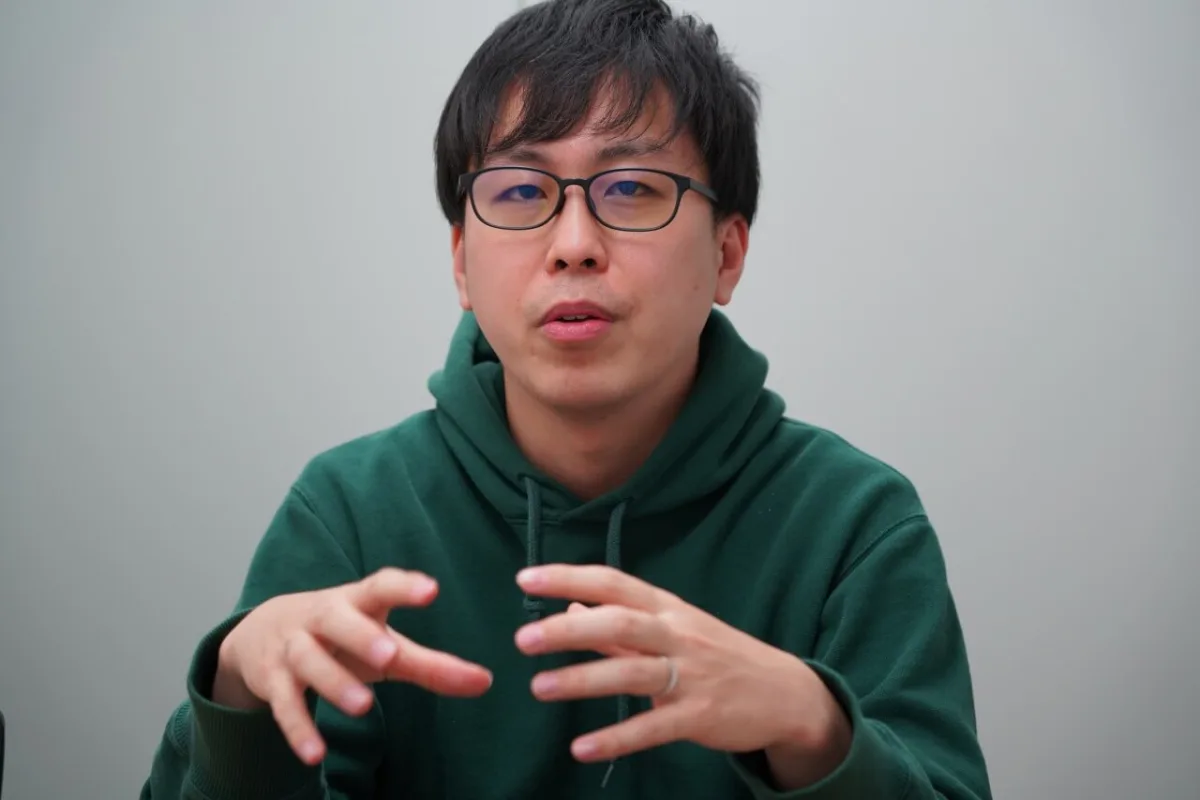
Unistyle is committed to thorough execution and drives Twitter operations with a focus on business impact. By gathering real voices from their personas, clearly defining the value they want to provide, and running rapid PDCA cycles, they seem to be proving that tangible results can be achieved.
SocialDog offers numerous features to streamline and optimize your Twitter strategy. We encourage you to use it to accelerate your Twitter strategy and achieve your desired results.